Taishu Engeki Tokyo Guide
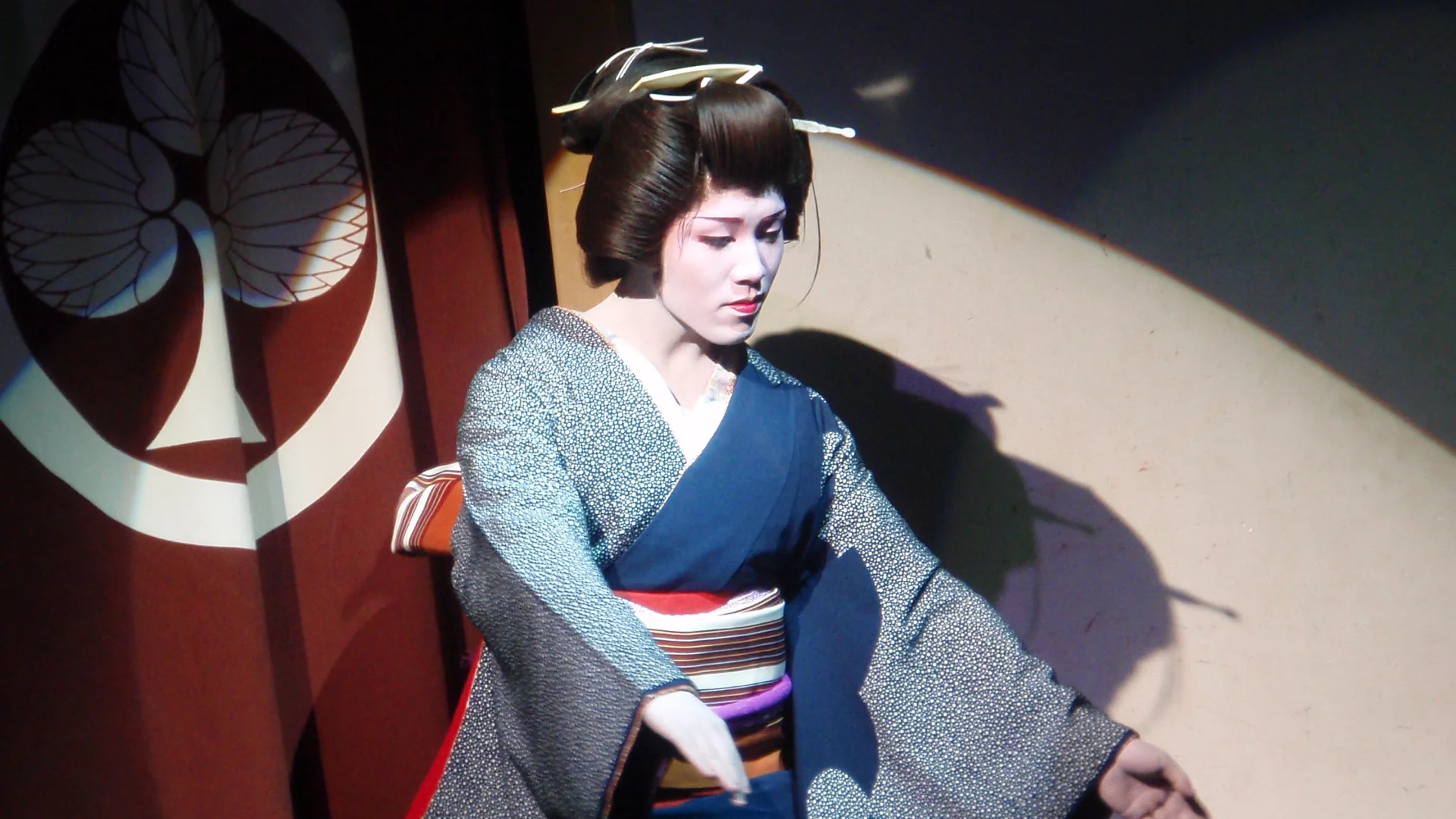
An onnagata in a blue patterned kimono and a striped obi dances in a pool of spotlight beside a dark red curtain bearing a large white crest

Asakusa · Tokyo

Watch a travelling troupe play to the back row

4.6 (175 verified reviews · GetYourGuide)

Swordplay, fan dances and onnagata in bright costume fill a small upstairs theatre in Asakusa, with a programme that changes every day.

Bring cash: tipping the performers is part of the show, and the snack bar takes no cards.

The language question, answered

Is taishū engeki at the Asakusa theatre worth it if you don't speak Japanese?

In short. Yes, if you come for the spectacle and accept that the words will pass you by. Taishū engeki is Japan's popular theatre, played by family troupes that tour small houses. A short play, often a period piece with a sword fight, gives way to dance numbers in kimono and heavy stage make-up, with men in women's roles. The play is in Japanese; the dancing needs no translation. Book the guided option for an English briefing first, bring cash for the tipping custom, and allow up to two hours.

What it is

A seat at one full performance by a travelling troupe in a small theatre up a flight of stairs in Asakusa. The bill changes every day: fan dances, swordplay, traditional dance, dramatic scenes and comedy, with performers stepping down among the seats. You may eat and drink in your seat, and there is a photo moment with the cast.

What it isn't

It is not kabuki, and it is not a show built for tourists: it is local popular theatre, and the play is performed in Japanese. It is not quiet either. Music runs loud, lights flash, smoke machines are used and a performer may light a cigarette on stage. Under-tens, wheelchair users and anyone with breathing problems or epilepsy should not book.

What fills the stage

The parts of a taishū engeki programme

Every troupe builds its own bill, and it is never the same two days running. The pieces below are the ones the form is known for, as English Wikipedia's articles on taishū engeki, onnagata and Japanese period drama describe them. They explain what you are looking at; they do not promise what any one afternoon will hold.

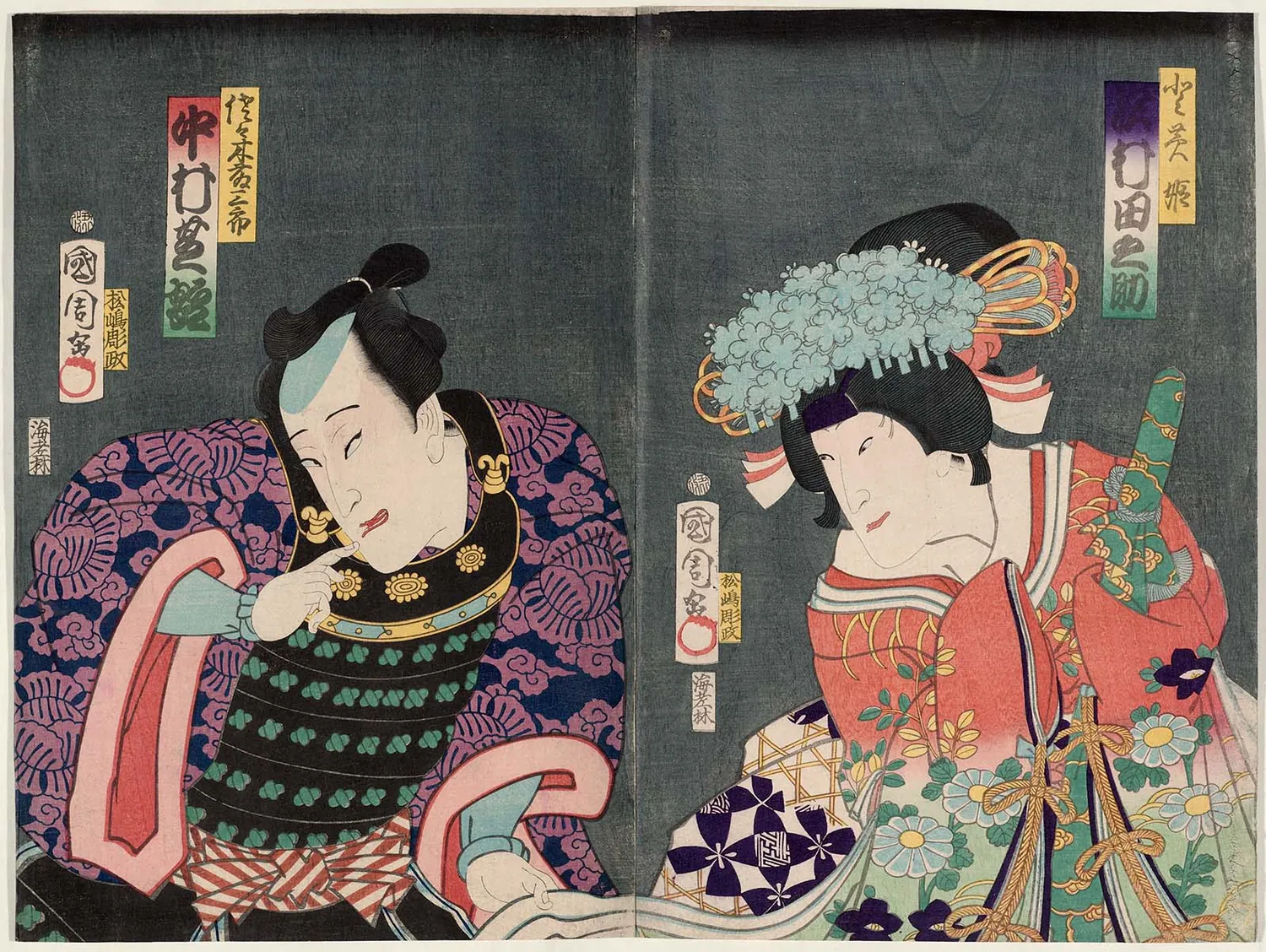
A nineteenth-century woodblock print of two kabuki actors, one as a samurai in a patterned robe and one as a princess in a flowered red kimono with silver hair ornaments
A kabuki woodblock print by Toyohara Kunichika, with a male actor in a princess role
  1. The play

    A short drama, usually set in the past

    The first half is usually a short play for most of the troupe. Wikipedia describes these as brief stories often set in the Edo period, mixing human-interest plots with sword fights and samurai themes, the same territory kabuki calls sewamono and jidaimono: everyday lives on one side, history and heroics on the other.

  2. The revue

    Dance numbers, one performer at a time

    After the play comes a run of dances with no link to the story. Each performer takes the stage alone in a traditional-style kimono, dancing to enka, the sentimental ballad style of post-war Japan, while fog machines and coloured lights do their work. This is the half that needs no Japanese at all.

  3. Onnagata

    Men in women's roles

    Onnagata, literally female role, began in kabuki after women were barred from its stages in 1629. Taishū engeki troupes include actors of both sexes, yet young men frequently dance the female parts, while women rarely play men. Expect a slow, controlled grace, and watch how the room responds to it.

  4. Swordplay

    Fights choreographed for a small stage

    Sword fights belong to the period plays, and the Japanese film genre built on them has its own name: chanbara, sword-fighting films, the samurai cinema of the West. In a theatre this small, every seat is close to the fighting, and the timing of a well-drilled troupe shows.

  5. The look

    White faces, red lips, bright silk

    Costume and make-up borrow from kabuki: a porcelain-white face, bright red lips and strongly drawn eyes and brows, an unreal, stylised beauty that reads from the back row. The costumes are made to catch the eye from every seat.

  6. Go-shūgi

    The tipping ritual

    Fans reward a favourite performer during the dance numbers. They walk up to the stage, the dancer stops and kneels at its edge, and the fan tucks an envelope or a folded note into the kimono or the obi sash, often with a handshake. Wikipedia calls the custom go-shūgi, congratulations. Visitors are welcome to take part.

  7. The family

    A troupe that lives together

    Troupe leadership passes down within a family, and members usually share a family name, though some are adopted into it rather than related by blood. Each troupe and some performers carry a crest, shown on banners and the curtain. The actors often train from childhood and travel from theatre to theatre together.

  8. Up close

    No distance between seats and stage

    The form prizes closeness. Performers step down and walk among the seats, sell photo books and DVDs in the aisles during the interval, and come out after the show to greet fans and pose for pictures. The fans themselves are part of the spectacle, with bouquets and letters for their favourites.

Sources: English Wikipedia articles on taishū engeki, onnagata, sewamono, jidaimono, enka, samurai cinema (chanbara) and the obi sash. The troupe on stage, its play and its dances are the theatre's to choose and change every day.

From the staircase to the last bow

How a performance runs

Most days have two performances, and your booking shows which one is yours. Because the programme is rebuilt daily, the curtain can rise up to fifteen minutes before or after the printed time, so come early and expect some give.

  1. Arriving

    Find the right staircase

    Another theatre shares the address, so make sure your map pin names the theatre you booked. The entrance is on a street corner, with stairs leading up. A greeter in a colourful jacket holds a meeting-point sign, or a receptionist waits on the second floor.

  2. Waiting

    Snacks, cash only

    Before the curtain a small snack bar sells snacks and refreshments for cash. Eating and drinking in your seat during the show is normal at taishū engeki, so buy something and settle in. On the guided option, theatre staff give a short English briefing on what is about to happen and how to tip.

  3. The play

    A drama in Japanese

    The troupe opens with a short play. Follow the faces, the costumes and the fights rather than the dialogue. A brief comedy interlude in Japanese can also turn up between parts.

  4. The dances

    The revue, and the tips

    Then the dance numbers: one performer at a time, loud music, lights and smoke. Fans walk up to tip during the dances, and performers often step down from the stage among the seats.

  5. After

    Photos with the cast

    There is a chance to take commemorative photos of and with the performers. No flash while the troupe performs. Filming needs a special permission that only the guided option can include, and only when it is available.

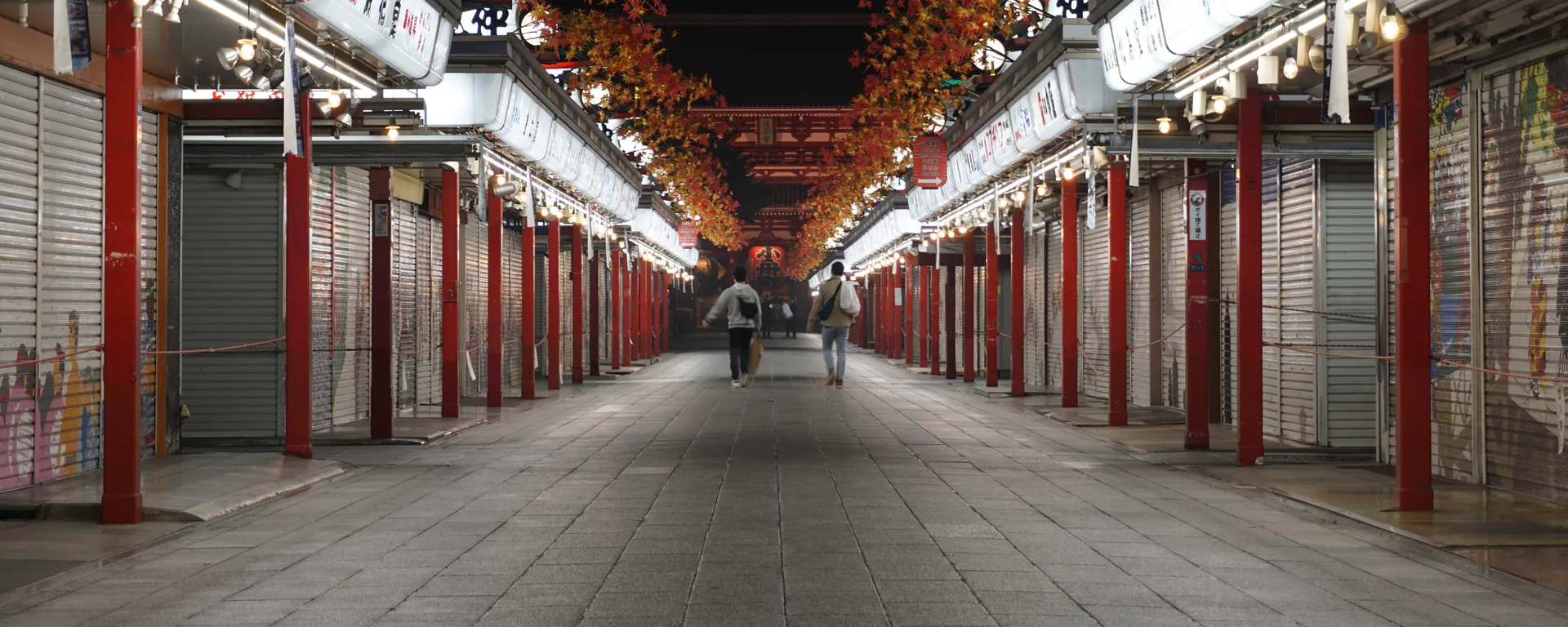
Nakamise shopping street in Asakusa at night, shutters down, lanterns lit and red maple garlands hung above the empty paving

Read this before you book

Six things to know before you pay

Who should not come

The theatre does not take children under ten or babies, and it advises wheelchair users, people with respiratory problems and people with epilepsy not to come.

Loud, bright and smoky

Music can be very loud and lights may flash. Smoke effects are used and may trouble anyone with asthma or a sensitive chest, and some performers smoke on stage as part of a scene.

It is in Japanese

The play is performed in Japanese. The guided programme adds a short English briefing from theatre staff before the show; the show-only seat has none, so start with the first guide here.

You can't choose the programme

The troupe, the play and the dances change daily, and the start can move by up to fifteen minutes either way. Go by the time on your booking and come early.

Bring cash

Tipping performers is a local custom and part of the fun, and the snack bar takes cash only. Low-value banknotes and a plain envelope are ideal.

Getting there

Asakusa has two stations called Asakusa, one shared by several lines and a separate Tsukuba Express station, according to Wikipedia. From either, follow the map pin in your booking, and check that it names the theatre you booked, because another theatre shares the address.

How the form took shape

Four centuries, from Edo stages to the Rokku

Taishū engeki draws on kabuki's habits and on Asakusa's long life as Tokyo's playground. Each date below comes from the English Wikipedia article named in the note.

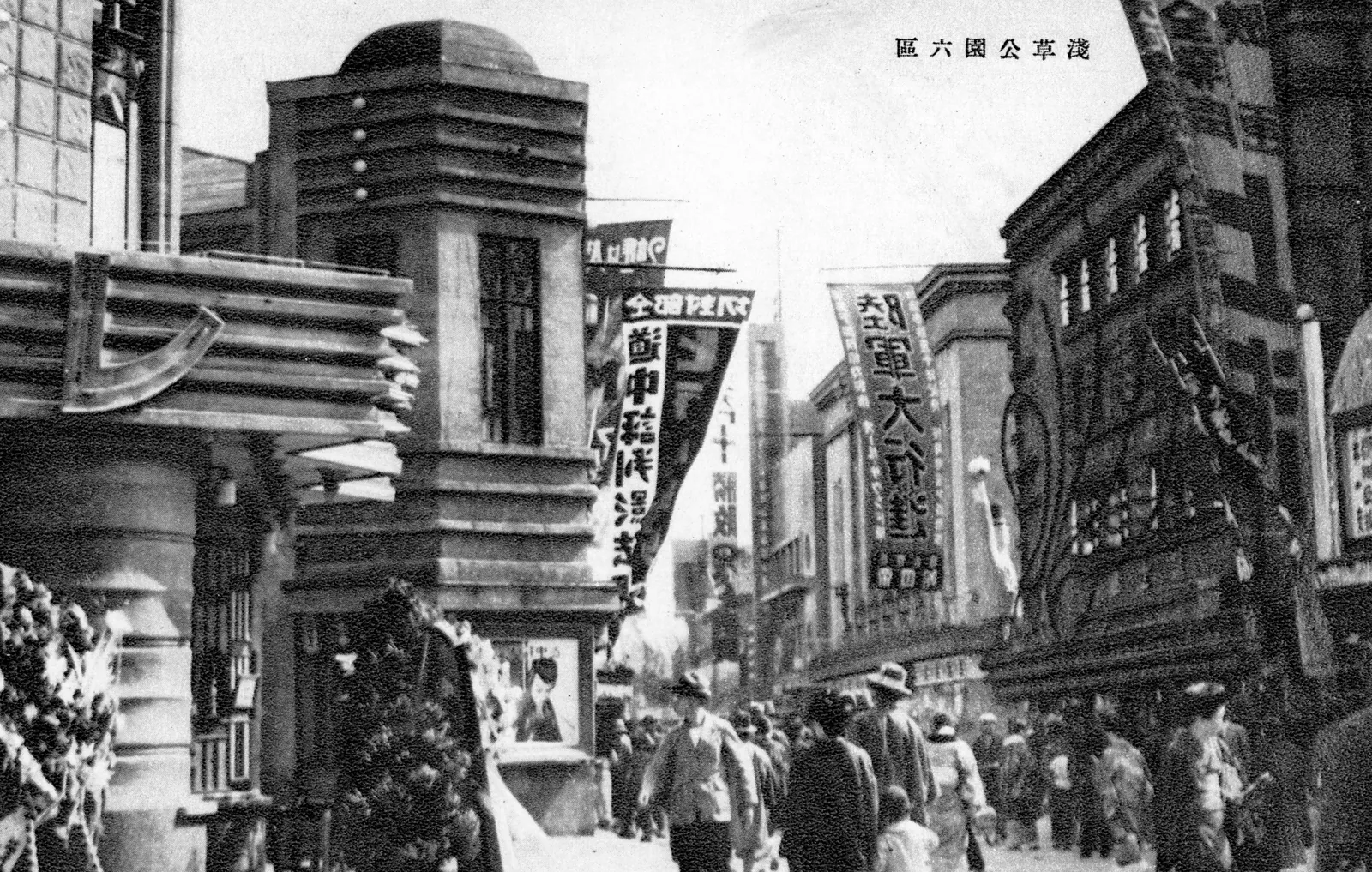
A black-and-white photograph of Asakusa's Rokku theatre street around 1930, crowded with people beneath tall vertical banners and ornate cinema fronts
The Rokku entertainment street in Asakusa, around 1930
  1. 1629

    Women leave the kabuki stage

    Women were banned from performing kabuki in 1629, and male actors took over the female roles. The onnagata tradition that taishū engeki troupes still dance grew from that ban.

  2. Edo era

    A district of playhouses

    Asakusa's growth as an entertainment quarter in the Edo period owed something to the rice warehouses of neighbouring Kuramae, whose keepers had money to spend; theatres and geisha houses followed.

  3. Meiji era

    Women return

    During the Meiji era the ban on women performing was lifted, and women began appearing in kabuki in onnagata roles, though men remained the norm.

  4. 1900s

    The Sixth District

    For most of the twentieth century Asakusa stayed one of Tokyo's major entertainment districts, and its rokku, the Sixth District, was famous for theatres and cinemas such as the Denkikan.

  5. 1930

    A novel of the golden years

    Yasunari Kawabata's novel The Scarlet Gang of Asakusa, published in 1930, captured the district at the height of its fame.

  6. 1945

    Fire and rebuilding

    The firebombing of Tokyo on 10 March 1945 heavily damaged Asakusa. The area was rebuilt after the war, and in 1947 it merged with Shitaya to form today's Taitō ward.

Sources: English Wikipedia (Onnagata; Asakusa). The theatre's own history is its own account and is quoted as such on this page.

Ticket terms

What your seat includes, and what it leaves out

Inclusions, limits and house rules, gathered in one place.

The theatre
Asakusa Mokubakan, a small theatre up a flight of stairs in Asakusa. The theatre describes itself as Tokyo's last remaining taishū engeki house and says it was founded in the Meiji era and has been entertaining audiences for over a century.
Who sells it
GetYourGuide carries this ticket on behalf of the company behind the theatre.
Show-only seat
A ticket for one full performance of up to 90 minutes, plus the chance to photograph the performers and be photographed with them.
Guided programme
Costs more and adds a short explanation of the show by English-speaking theatre staff, one canned drink, a guided go at the tipping custom and, when it is available, permission to film during the show.
Language
The performance is in Japanese. English comes only in the guided programme's briefing.
Not suitable for
Children under ten, babies, wheelchair users, people with respiratory problems and people with epilepsy.
On stage
Very loud music, flashing lights, smoke effects, and performers who may smoke as part of a scene.
Not allowed
Pets, red wine, alcohol and drugs, flash photography, smoking in the audience and nudity.
Cash
Tips and the snack bar are cash only.
Cancelling
Free until a day before the curtain, and the seat can be reserved today with payment later.
Stage or workbench

A troupe show or a craft hour

Troupe show
Chopstick workshop
Length
1.5 to 2 hours
35 minutes listed; allow an hour
Language
Japanese on stage; English briefing on the guided option
English or Japanese guidance
You leave with
Photos with the cast
A pair of chopsticks you made
Paying on the day
Cash for tips and snacks
Cards only for extras
Children
Not under ten
Beginners and families welcome
Wheelchairs
Not suitable
Wheelchair accessible
Noise
Loud, with lights and smoke
A quiet workbench
Cancel free
Up to 24 hours ahead

The troupe first, then the rest of Asakusa

A troupe matinee, a craft hour, a rickshaw and the red tower

The theatre ticket leads. Next to it sit the chopstick workshop it is weighed against further down, a rickshaw ride through the old streets, and Tokyo Tower for later in the evening.

Taishū engeki performance in Asakusa

4.6 · 175 reviews · From US$21

A seat for one full troupe performance of up to 90 minutes in a small upstairs theatre: a play, then dance numbers in bright costume. The guided option adds an English briefing from theatre staff, a canned drink and help with the tipping custom.

Open this one's calendar ↗

Make your own chopsticks

5.0 · 2,136 reviews · From US$6

A hands-on chopstick workshop in Asakusa: pick a wood, shape it with a traditional Japanese hand plane, sand and oil it, and take the pair home the same day. Guidance in English or Japanese; engraving costs extra.

Open this one's calendar ↗

Asakusa by rickshaw

4.9 · 249 reviews · From US$35

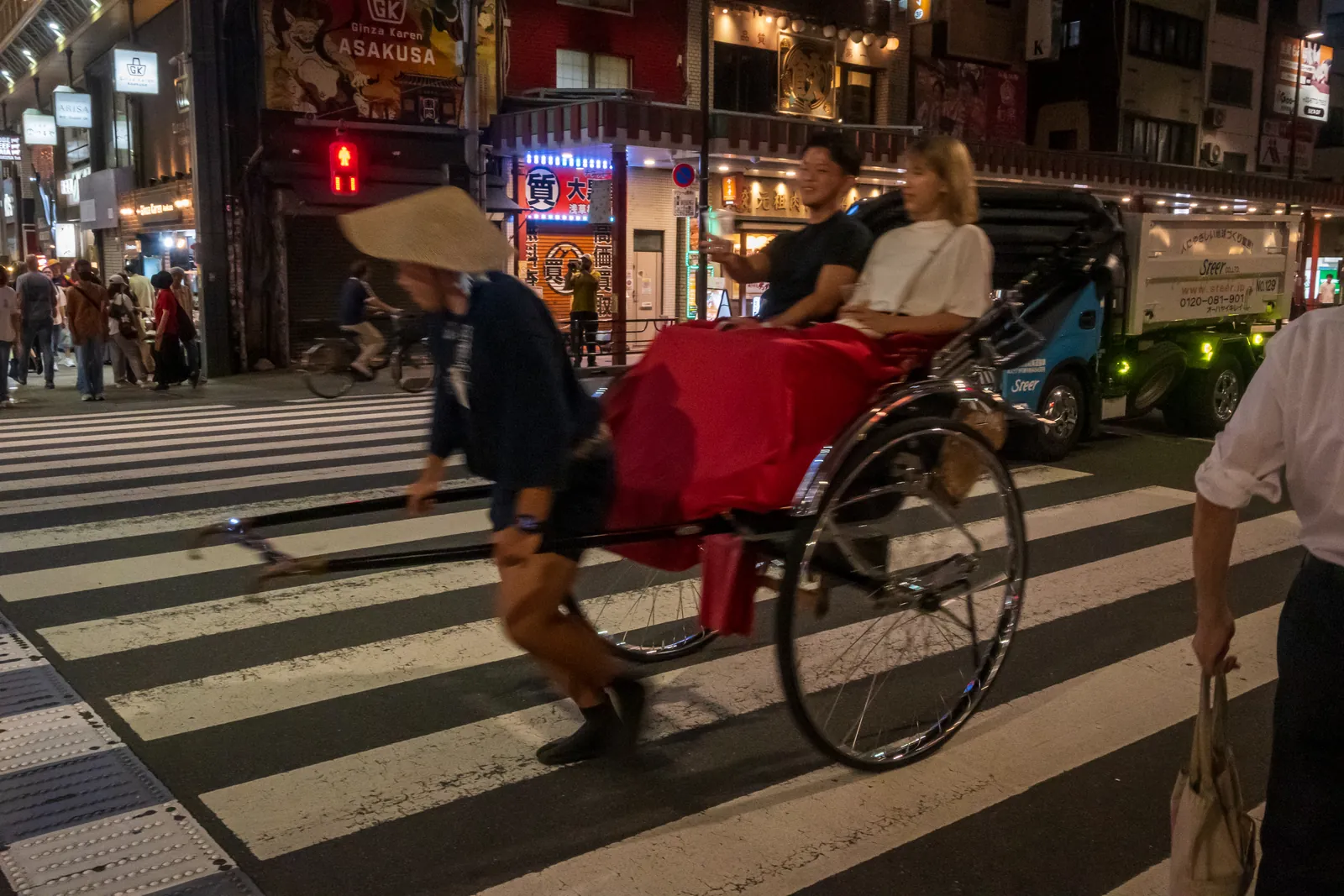
A rickshaw ride through Asakusa with a puller who acts as your guide, in English or Japanese, past temples and shrines, Denpoin Street and Sumida Park. Options run from half an hour to just over three hours; two adults fit per rickshaw.

Open this one's calendar ↗

Tokyo Tower observation decks

4.6 · 4,631 reviews · From US$10

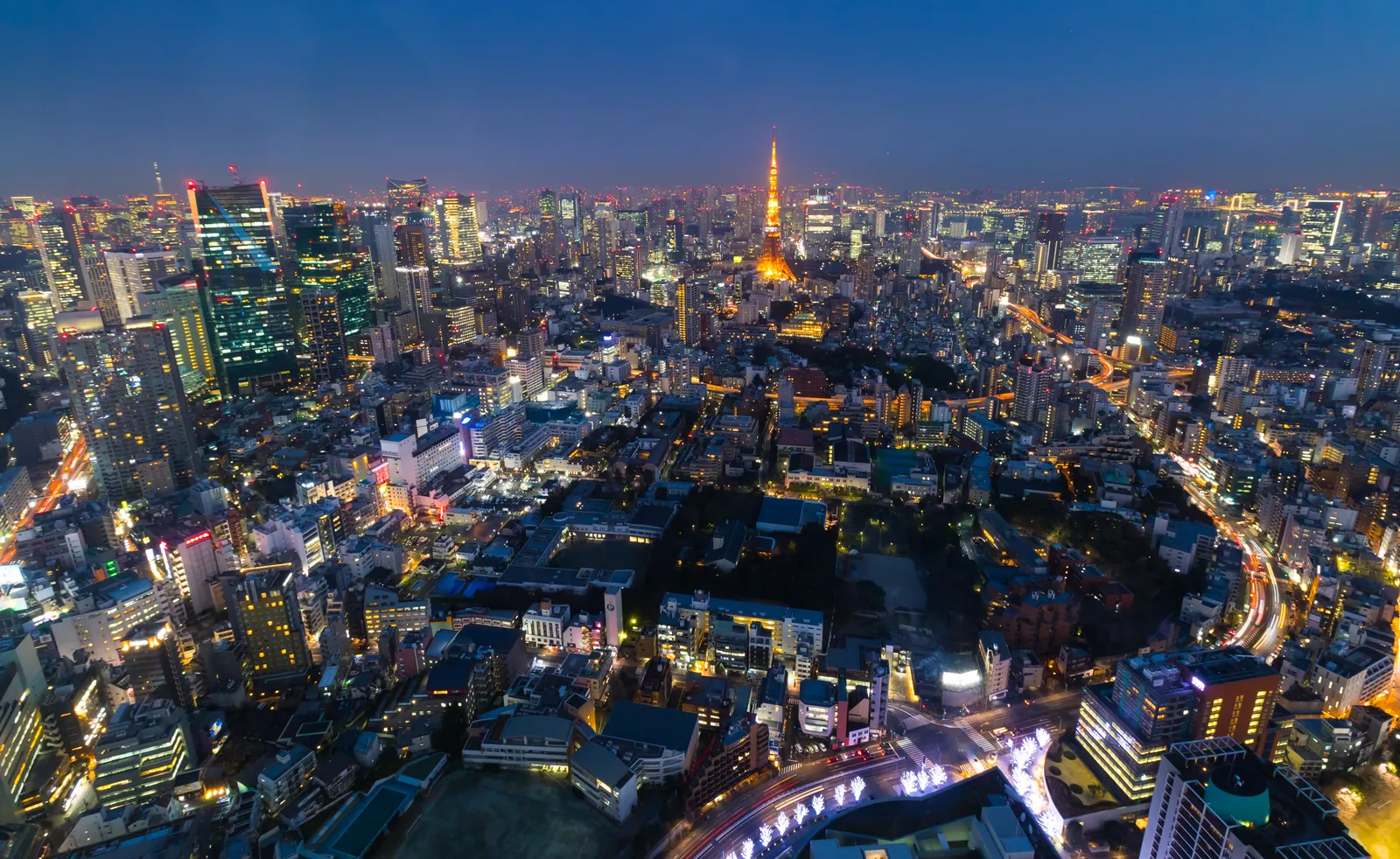
Entry to the Main Deck at 150 metres, with a Top Deck option at 250 metres, in the red tower that opened in 1958. This ticket cannot be refunded once bought, so settle your date first.

Open this one's calendar ↗

Pick a performance day

Each day lists its own start times. The next screen offers the show-only seat or the guided programme; switch the currency to yours for the all-in total, and leave payment until later if that suits you.

Further Tokyo bookings

Everything bookable in Tokyo ↗

FAQ

Questions to settle before the curtain goes up

Is taishū engeki in Asakusa worth it if I don't speak Japanese?

For most curious visitors, yes. The play is in Japanese, but half the performance is a dance revue that needs no words, and the costumes, make-up and fights carry a lot. Book the guided option if you want an English briefing on what you are about to see.

What exactly is taishū engeki?

Japan's popular theatre: family troupes touring small theatres with a programme of a short play, often a period drama with sword fights, followed by solo dance numbers in kimono. Young men often take the female roles. It is cheaper and far less formal than kabuki.

What is the difference between the show-only seat and the guided programme?

The show-only seat covers one full performance and the photo chance with the cast. The guided programme costs more and adds a short explanation of the show by English-speaking theatre staff, a canned drink, a guided go at tipping and, when available, permission to film.

Who should not book this show?

Children under ten and babies, wheelchair users, people with respiratory problems and people with epilepsy. The music is very loud, lights flash, smoke effects are used, and some performers smoke on stage as part of a scene.

How does tipping the performers work?

During the dance numbers, fans walk up to the stage and the performer kneels at its edge to receive a folded note or an envelope, tucked into the kimono or the obi sash. It is optional but welcomed. Bring cash: there is no card option for tips or at the snack bar.

Can I choose what I will see?

No. The troupe's play and dances change every day, so no two performances are the same and none can be promised. Because of that, the start can shift by up to fifteen minutes earlier or later than the time on your booking.

How long does it last?

Allow 1.5 to 2 hours in all. The performance itself runs up to 90 minutes, and you will want time before it to find your seat and visit the snack bar.

Can I eat, drink and take photos?

You may eat and drink in your seat, which is normal at taishū engeki; the snack bar sells small snacks for cash. Red wine, alcohol, smoking in the audience and flash photography are not allowed. There is a chance to photograph the performers and pose with them.

How do I find the theatre?

It is up a staircase from a street corner in Asakusa, and another theatre shares the address, so check that your map pin names the theatre you booked. A greeter with a meeting-point sign, or a receptionist on the second floor, will direct you.

Is this the theatre's own website?

No. It is an independent guide, put together by writers who have no tie to the theatre, the company behind it or the troupes, and no affiliation with any of them. Any seat you reserve through these pages is booked with GetYourGuide.

A travelling troupe, a small upstairs house in Asakusa, and a stage that changes its bill every single day.

Find a performance day ↗
See today's troupe datesHold a seat now, pay nearer the day