Compare
Troupe show or a craft hour?
A taishū engeki performance or a chopstick-making workshop: which Asakusa afternoon fits your group, compared on length, language, noise, children and cost.
Find a performance day ↗Quick answer
Choose the troupe show if you want an afternoon or evening of live popular theatre, can sit through up to two hours of Japanese drama and loud dance numbers, and have no under-tens or wheelchair users with you. Choose the chopstick workshop if you want a calm, hands-on hour in English or Japanese that suits families and wheelchair users, ends with something to take home, and keeps most of the day open. Plenty of people fit both into a single Asakusa day.
The two Asakusa options side by side
| Troupe show | Workshop | |
|---|---|---|
| Length | 1.5 to 2 hours | Under an hour |
| Language | Japanese on stage | English or Japanese |
| Take home | Photos | Your chopsticks |
| Under-tens | Not admitted | Welcome |
| Wheelchairs | Not suitable | Accessible |
| Pay extras by | Cash | Card |
| Free cancel | 24 hours ahead | 24 hours ahead |
The question in one line
Both options sit in Asakusa, both are inexpensive, and both offer something you cannot get at a museum. The difference is temperament. The troupe show is a loud, close, crowded piece of living popular theatre that runs its own way and asks you to go along with it. The chopstick workshop is a short, quiet, guided craft session that runs to a plan and ends with a souvenir you made. Ask who is in your group, how much time you have, and whether you want to watch or to do. Neither needs any preparation beyond a booking.
One district, two moods
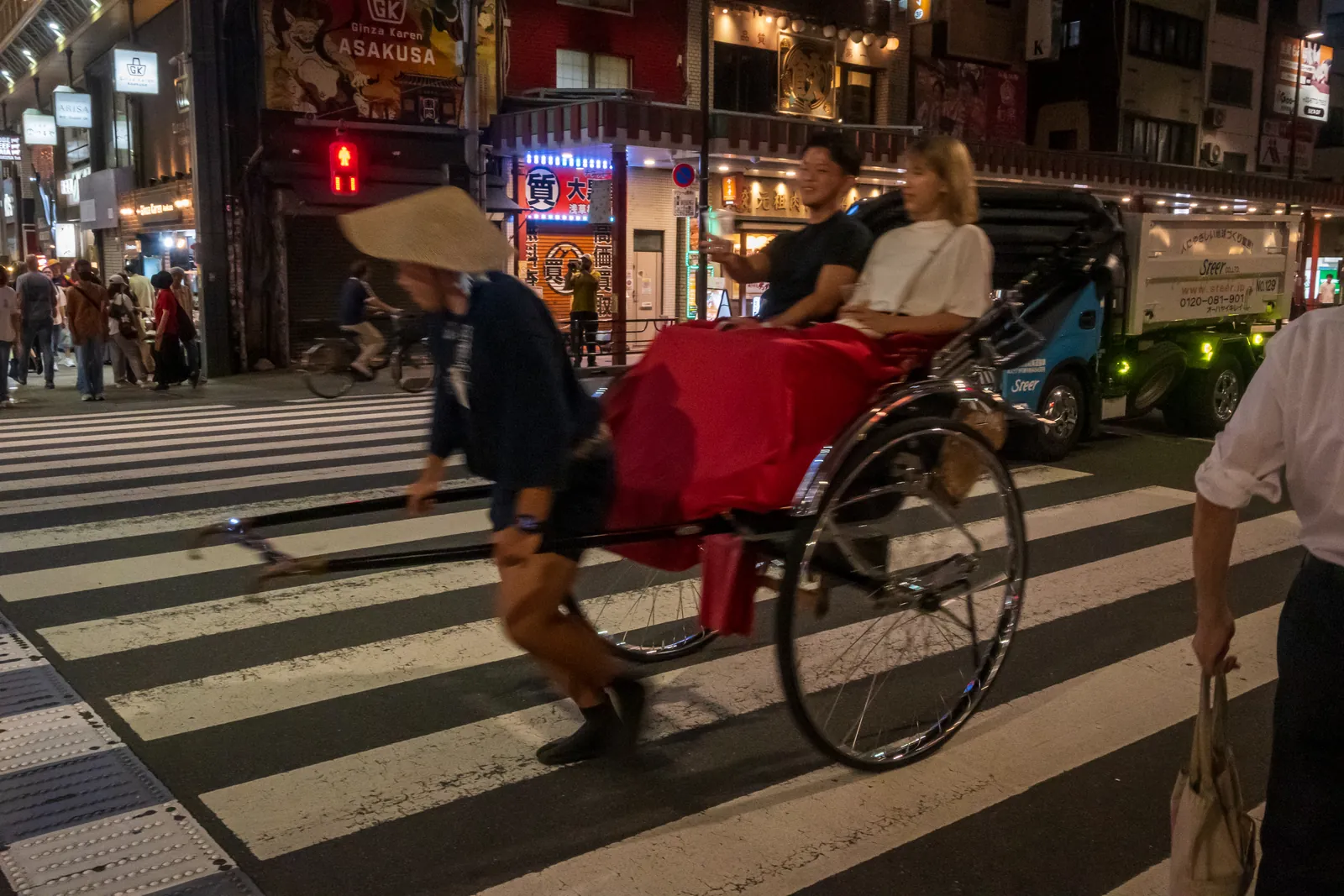
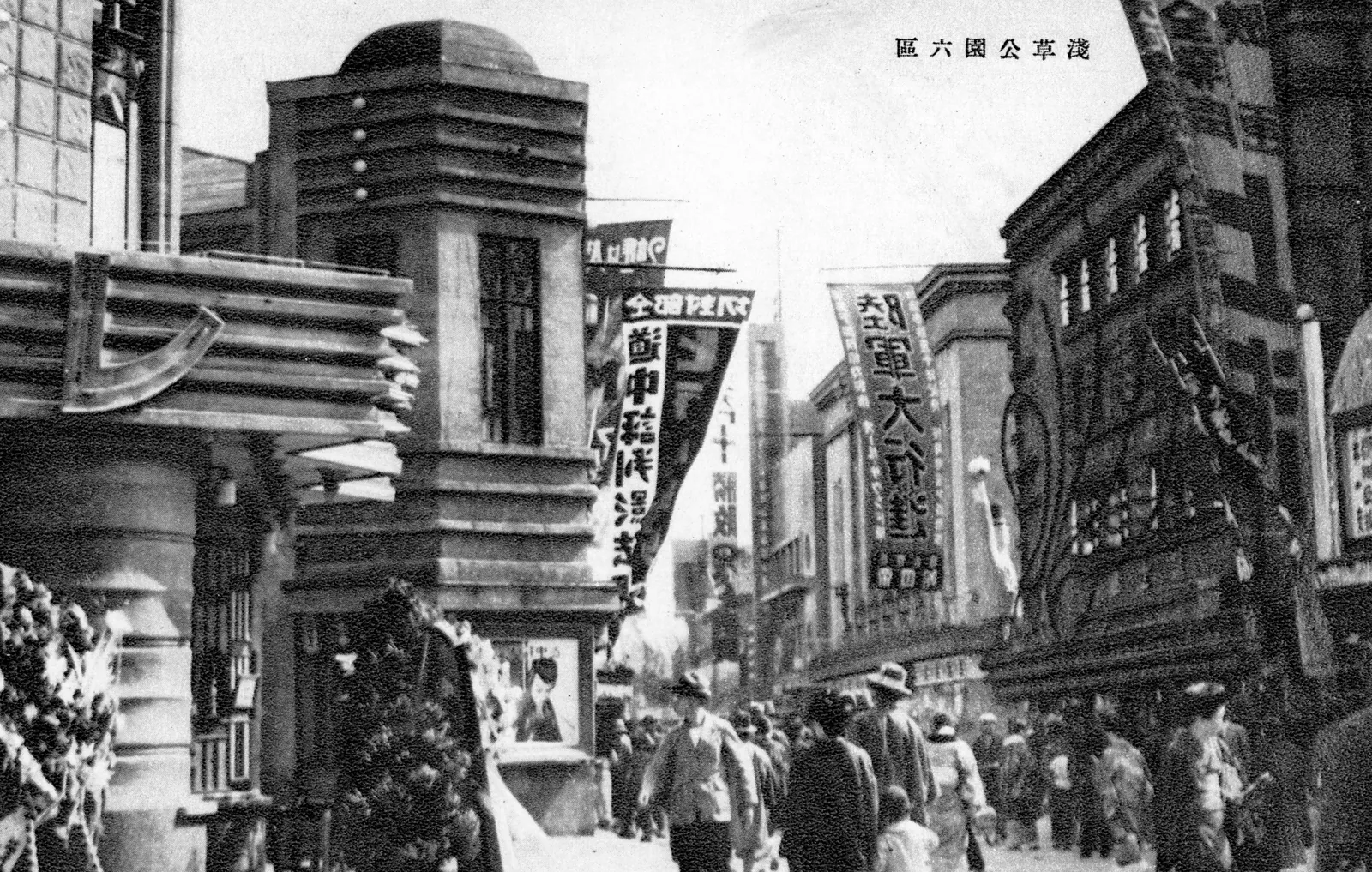
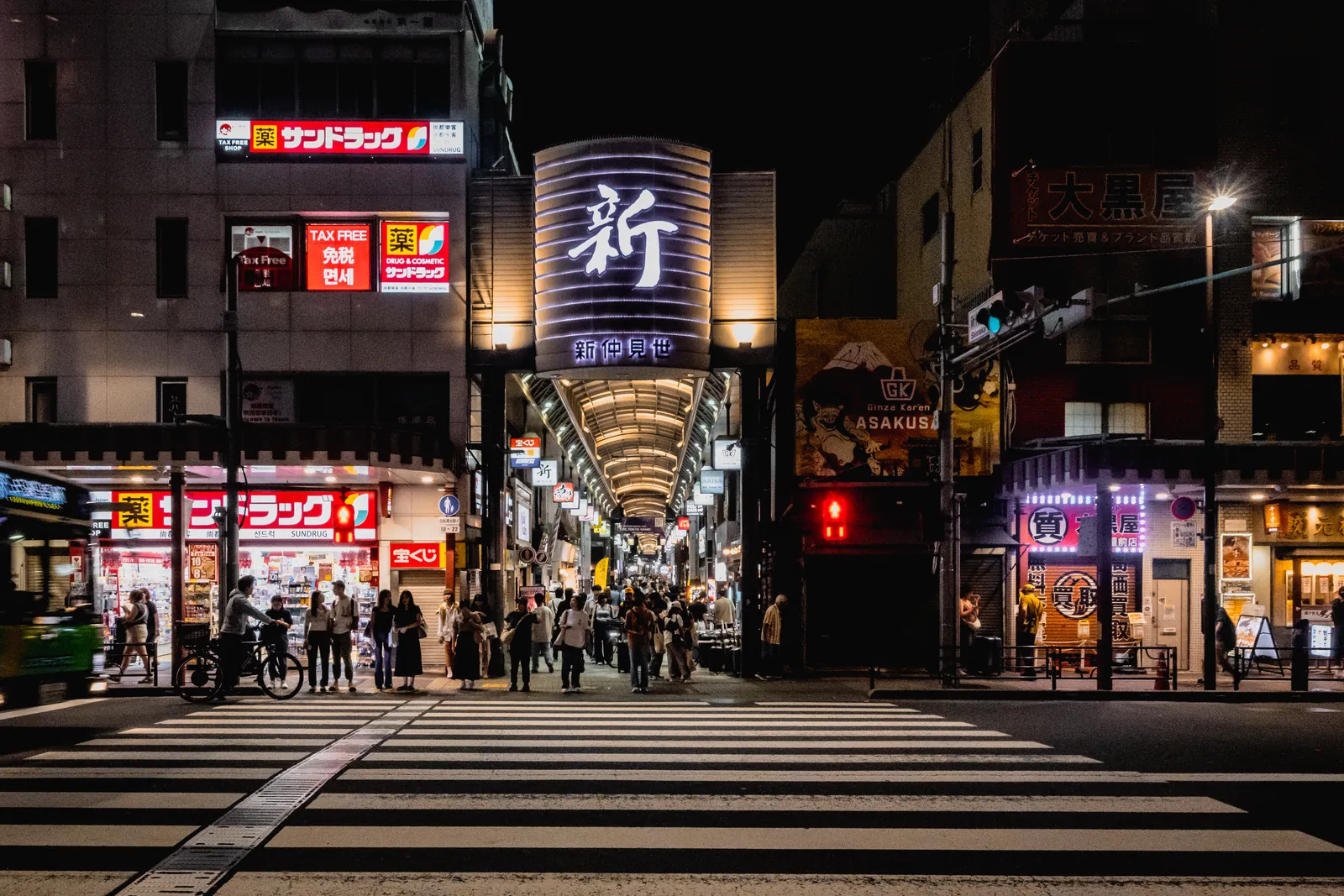
Asakusa is a district of Taitō ward on the north-east edge of central Tokyo, known first for Sensō-ji, the temple of Kannon, and for most of the twentieth century for its theatres and cinemas. Both options on this page belong to that double character. The troupe theatre carries on the old entertainment trade; the workshop belongs to the craft and souvenir side of a district that has long served visitors. Either way, you spend the time in the same few streets, close to the temple.
What the troupe show gives you
A seat at one full taishū engeki performance in a small upstairs theatre, by a travelling troupe whose bill changes daily. Expect a short play, often a period drama with a sword fight, followed by solo dances in kimono and heavy stage make-up, with men in female roles and performers stepping down among the seats. Fans tip during the dances. The audience is mostly local and the language is Japanese. The guided option adds an English briefing first.
What the workshop gives you
The chopstick workshop sits in Asakusa too. You choose a wood from a selection of grains and colours, shape it with a traditional Japanese hand plane under bilingual guidance, smooth it with sandpaper, refine the edges and finish it with natural oil, then take the pair home the same day. No woodworking background is needed, and the booking page invites solo travellers, couples, families and friends alike. It lists 35 minutes and advises allowing about an hour. Custom engraving and premium woods cost extra, and the workshop is cashless, taking the major cards.
Time: two hours or one
The troupe show asks for up to two hours of your day, with a performance of up to 90 minutes, and its start can move by up to fifteen minutes either way because the programme is rebuilt daily. The workshop takes well under an hour of work, and guests who arrive more than fifteen minutes late may be asked to reschedule, because late arrivals hold up the next booking. If your Asakusa day is short, the workshop fits around a temple visit more easily; if you have an afternoon or evening to give, the show fills it, with time at the snack bar before the curtain.
Language
This is the biggest gap. The troupe's play is performed in Japanese; the dances need no language, and the guided programme adds a short English briefing from theatre staff before the curtain. The workshop is taught in English and Japanese from start to finish, so nothing is lost, and you can ask questions as you work. If anyone in your group will be frustrated by missing the dialogue, book the guided show option or choose the workshop. If everyone is happy to watch rather than follow, the show-only seat is enough, and the first guide on this site explains the form beforehand.
Children, access and health
The theatre does not admit children under ten or babies, and advises wheelchair users, people with respiratory problems and people with epilepsy against booking, given loud music, flashing lights, smoke effects and performers who may smoke on stage. The workshop is beginner-friendly, welcomes families, couples and solo travellers, and is wheelchair accessible. For a family with young children, or a group with a wheelchair user, the workshop is the clear choice. Teenagers who like costume, music and sword fights usually find the theatre easy company, provided the noise does not bother them.
Money on the day
The two are opposites here. The troupe theatre runs on cash: the snack bar takes no cards, and the tipping custom needs notes, ideally small ones. The workshop is cashless and accepts the big international card brands for engraving or premium wood. Carry some cash for the show and a card for the workshop. Both list a low base price on their booking pages, and the date picker here converts the live total into your currency at checkout, so neither brings a surprise at the door.
What you remember
From the theatre you take the noise of the house, the moment a performer kneels at the stage edge to accept a tip, and a photo with the cast after the show. From the workshop you take an object you shaped yourself, with your name engraved if you pay for it, which makes it the better gift-buying hour. Neither is a lecture; the theatre is entertainment first and culture second, and the workshop is craft first and souvenir second. Both are cheap enough that the choice can follow your mood on the day.
Doing both in one day
Nothing stops you combining them. A workshop in the morning or early afternoon, a walk through the temple quarter, then a performance later in the day makes a full Asakusa programme without long trips across the city. Book the theatre first, because its start times decide the shape of the day, then fit the workshop around it. Both are sold on GetYourGuide, both offer holds with payment later, and both cost nothing to cancel until a day ahead, so you can hold both while your plans settle.
Read next: Finding the upstairs theatre
Who this isn't for
If your group splits, consider letting the children make chopsticks while the adults take the show, then meet up afterwards near the temple gates. Splitting this way means nobody sits through two hours of Japanese drama against their will, and nobody spends an afternoon at a workbench when they came to Tokyo for the stage. The theatre's guided programme, with its English briefing, canned drink and help with tipping, is the better ticket for anyone who decides to try the show anyway.
- The troupe show: under-tens, wheelchair users, and anyone with breathing problems or epilepsy
- The troupe show: anyone who needs every line of dialogue
- The workshop: travellers after live performance rather than a hands-on task
- The workshop: anyone hoping to pay in cash
Frequently asked questions
Which is better for a first day in Tokyo?
The workshop, if you are jet-lagged or have children. The troupe show, if you want a live performance and can stay alert for up to two hours of loud, close theatre.
Is the workshop in English?
Yes. Guidance is given in English or Japanese, and no woodworking background is needed. The troupe show, by contrast, is performed in Japanese.
Can I pay cash at the workshop?
No, the workshop is cashless and takes the major cards. The theatre is the reverse: cash only for tips and snacks.
Which suits a wheelchair user?
The workshop: it is wheelchair accessible, while the troupe theatre advises wheelchair users against booking.
Can I cancel either for free?
Yes. On GetYourGuide each is free to cancel up to the day before.
Sources